
Skilled Nursing vs Assisted Living: What Families Should Know Before Choosing Care
Your dad just got out of the hospital and isn’t quite ready to come home, or your mom is starting to struggle with things she used to handle on her own. When someone you love needs more care than you can provide at home, the choice between skilled nursing and assisted living can feel overwhelming, but it doesn’t have to. Getting this decision right could make all the difference in their recovery, comfort, and quality of life.
The Core Difference Between Skilled Nursing vs Assisted Living
When choosing between skilled nursing and assisted living, the most important factor isn’t cost or personal preference, it’s the level of care your loved one needs and how much independence they still have.
At a glance, a skilled nursing facility provides around-the-clock medical care for those who need significant support, whether due to mobility issues, memory conditions, or recovery from a major medical event. An assisted living facility, on the other hand, is a better fit for older adults who are still largely independent but need some help with daily tasks like bathing, dressing, or using the bathroom.
It’s worth knowing that both options sit at different points on the care spectrum, and your loved one’s needs may shift over time. Understanding what sets them apart is the first step to making the right call when it matters most. Let’s take a closer look at each.
What Is A Skilled Nursing Facility?
A skilled nursing facility (SNF) offers a higher level of medical care than assisted living. Medicare.gov refers to skilled nursing care as medical and therapy services that can only be delivered safely and effectively by trained clinical professionals. That includes registered nurses (RNs), licensed practical nurses (LPNs), certified nursing assistants (CNAs), physical and occupational therapists, and medical directors. It’s the kind of hands-on clinical care that goes well beyond what a family member or general caregiver can provide at home.
Day-to-day life in an SNF is built around that level of support. Residents typically stay in private or semi-private rooms and share common dining spaces. Medical staff are available at all hours, and meals, personal care, and rehabilitation services are all part of the routine.
A stay at an SNF can be short-term or long-term depending on your loved one’s situation. Some people come in temporarily for subacute rehabilitation, a structured recovery program for patients who’ve been discharged from the hospital but aren’t yet ready to go home. Others, particularly those managing chronic or complex conditions, may need to stay longer or make it their permanent residence.

What Is Assisted Living?
An assisted living facility (ALF) provides a lower level of care than an SNF, focusing on daily life support rather than medical treatment. It’s designed around what healthcare professionals call activities of daily living or ADLs. These are basic tasks like getting dressed, bathing, managing medications, eating, and moving around safely. When a loved one starts to struggle with one or more of these but doesn’t need constant medical attention, assisted living is often the right fit.
Residents typically live in their own apartments or rooms and share common areas, with access to three meals a day, housekeeping, laundry, and 24-hour on-site staff. Think of it as a supportive community that handles the hard parts of daily life, so your loved one can focus on enjoying it.
Beyond daily care, assisted living communities are designed around connection and quality of life. Most offer a full calendar of social activities, fitness programs, and group outings. This gives residents a sense of community and purpose. For many families, this social dimension is just as important as the practical support.
Skilled Nursing vs Assisted Living At A Glance
To put it simply, the two options are built for very different situations. Here’s a quick side-by-side look at how skilled nursing and assisted living compare across the things that matter most.
| Skilled Nursing | Assisted Living | |
| Type of care | 24/7 clinical nursing care, including therapy, wound care, and medication management | Help with medications and personal care, no clinical medical care |
| Examples of service provided |
|
|
| Independence level | Most daily tasks require staff assistance | Residents manage most things with some staff support |
| Living arrangements | Shared or private room in a more clinical setting, typically without a kitchen | Private or shared apartment with a kitchenette and ensuite bathroom |
| Staff | Registered nurses (RNs), licensed practical nurses (LPNs), certified nursing assistants (CNAs), physical and occupational therapists, medical directors | Caregivers, medication technicians, and sometimes a licensed practical nurse (LPNs) |
| Length of stay | Short-term rehab or long-term permanent residence | Typically long-term |
| Focus | Medical recovery, rehabilitation, and ongoing clinical care | Day-to-day support, independence, and quality of life |
| Median monthly cost in Georgia | $9,000–$10,000/month | $4,000-4,500/month |
| Medicare coverage | Up to 100 days after qualifying hospital stay | Not covered by Medicare |
| Medicaid coverage | Covers long-term care for eligible residents | Not for room and board; some care services may be funded through Georgia’s CCSP or SOURCE waiver programs |
Signs That Your Loved Ones May Need Skilled Nursing, Not Assisted Living
Choosing between assisted living and skilled nursing isn’t always clear-cut, and it rarely happens in a calm moment. For many families, the realization arrives suddenly after a health crisis, so knowing what to look for can help you act with confidence rather than in a panic.
After a Major Health Event
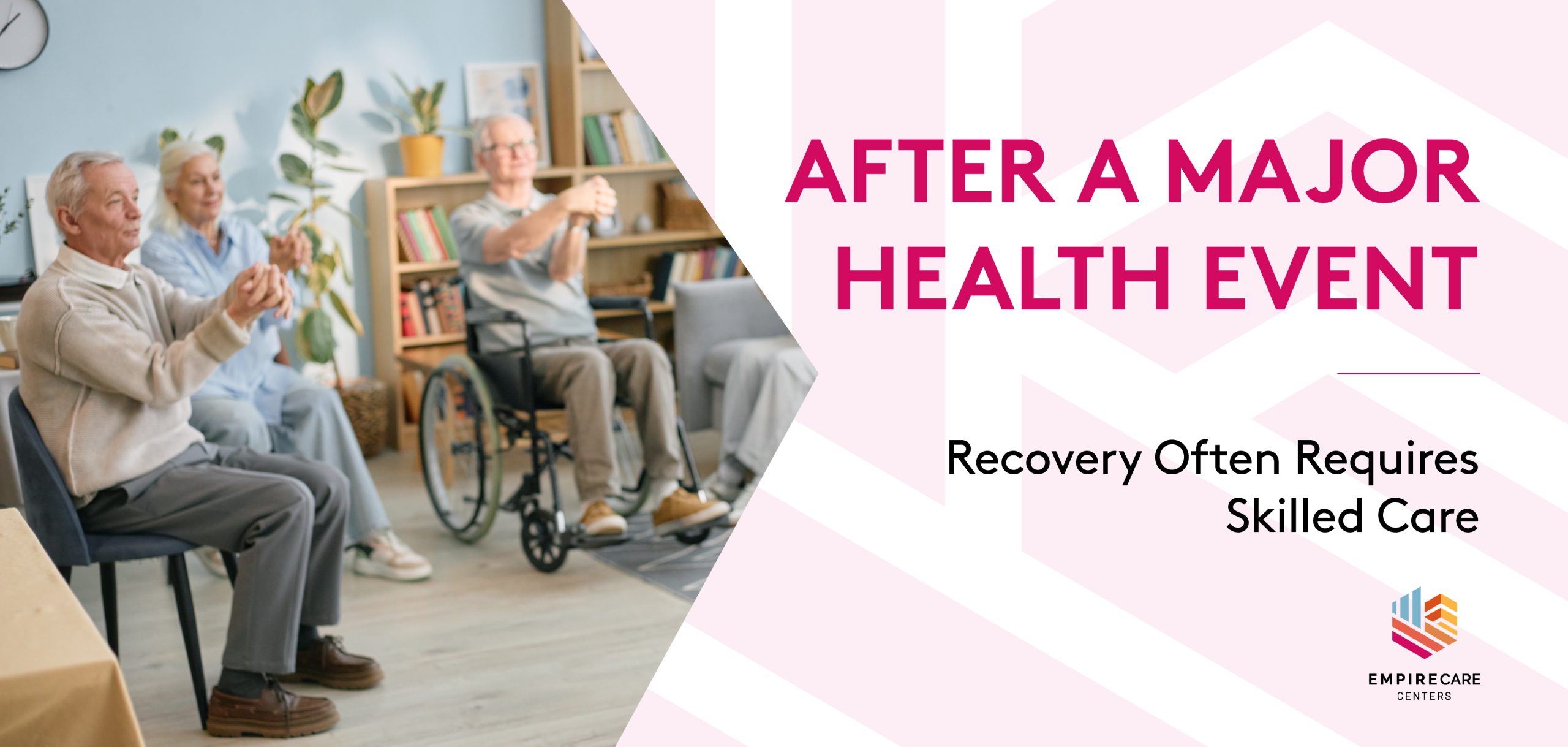
One of the most common reasons someone enters an SNF is a significant medical event that leaves them unable to safely return home right away. University Hospitals reports people typically enter an SNFs right after being discharged from the hospital following surgery, a serious illness, or an injury, with the goal of regaining strength and function before going home.
Common situations that call for skilled nursing care include recovery from a stroke, a cardiac event, a hip replacement, or major surgery. These aren’t conditions that an ALF is equipped to manage. They require daily monitoring, wound care, intravenous therapy, or intensive physical rehabilitation that only a skilled medical team can provide.
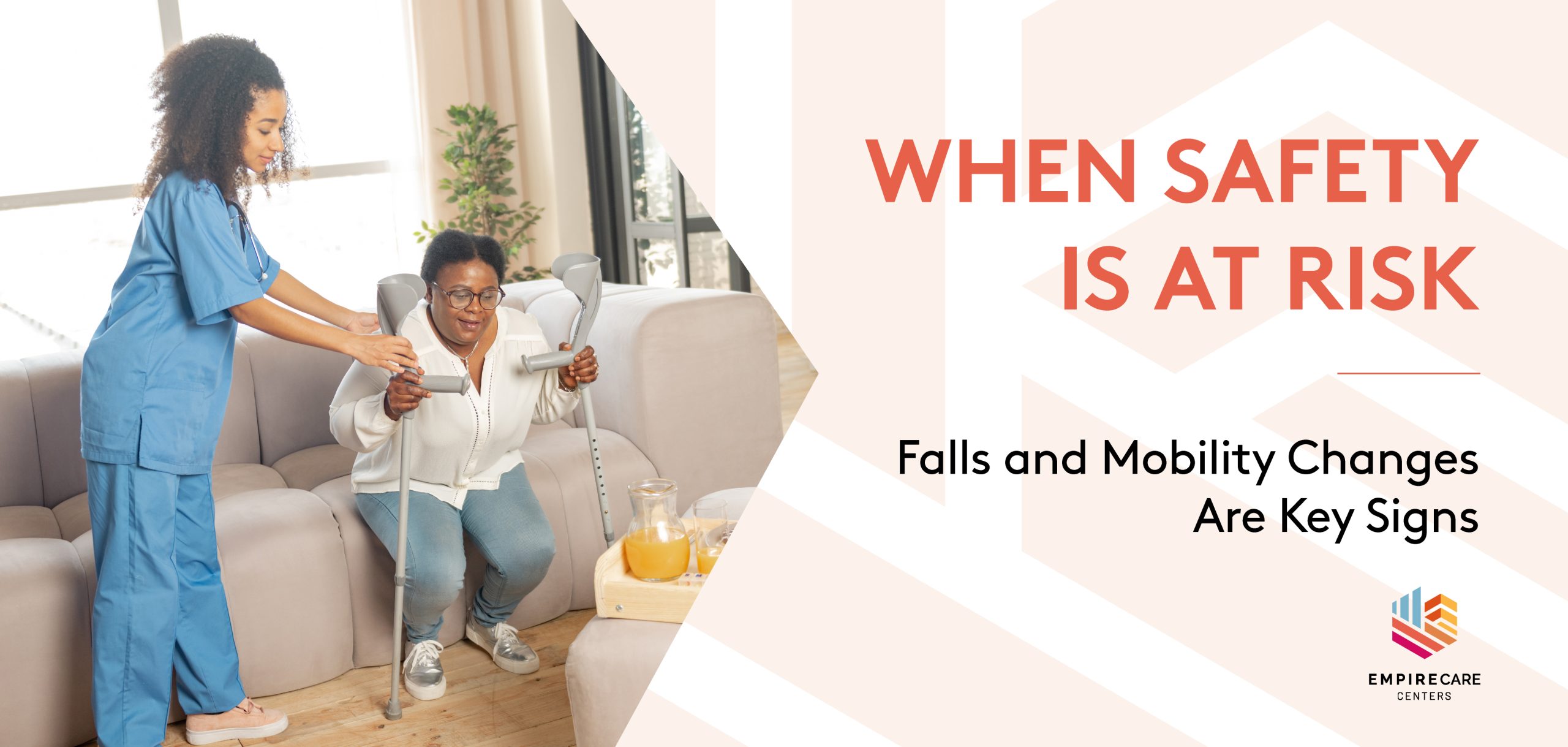
When Mobility and Safety Become a Serious Concern
Falls are one of the most telling warning signs that a higher level of care may be needed. According to the Centers for Disease Control and Prevention (CDC), more than one out of four older adults falls each year, and falling once doubles the chances of falling again. Falling regularly is a serious signal that it may be time to reevaluate the level of care your loved one needs.
Apart from frequent falls, other mobility issues such as struggling to get in and out of bed, or the inability to move around safely without the help of two people, are clear signs that assisted living may no longer be enough.
When Medical Needs Outgrow What Assisted Living Can Offer
While assisted living is a wonderful fit for seniors who need support with daily tasks, it isn’t designed to manage complex or worsening medical conditions. Some health situations that typically call for skilled nursing care include advanced dementia or Alzheimer’s disease, chronic obstructive pulmonary disease (COPD), congestive heart failure, Parkinson’s disease, and conditions that require a permanent intravenous line or specialized wound care.
If your loved one is being hospitalized repeatedly, needs round-the-clock monitoring, or has a condition that requires clinical intervention on a daily basis, it’s worth having a conversation with their doctor about whether an SNF is the more appropriate setting.

Questions to Ask the Doctor Before Making a Decision
Before choosing between skilled nursing and assisted living, it’s worth having a focused conversation with your loved one’s primary care physician or a geriatric care specialist. They know your loved one’s medical history and can give you guidance that no checklist can replace. To make the most of that conversation, come prepared with these questions:
- Does my loved one currently require any services that can only be provided by a licensed nurse or therapist?
- Are their medical conditions stable, or are they likely to progress in the near future?
- Would they qualify for Medicare-covered skilled nursing care based on their recent hospital stay?
- Is there a risk of falling, wandering, or other safety concerns that need a higher level of supervision?
- Are there any conditions such as wound care, IV medications, or respiratory support that an assisted living facility cannot legally manage?
- Based on their current condition, which setting do you recommend, and when should we revisit that decision?
There are no right or wrong questions to bring into that appointment. The goal is simply to make sure the decision is based on your loved one’s actual clinical needs, not just availability or cost.
If you’re ready to start comparing facilities, our guide to choosing a skilled nursing facility in Georgia walks you through what to look for, what questions to ask during a tour, and how to evaluate a quality facility.
Empire Care Centers Offers Skilled Nursing Care Across Georgia
If you’re navigating this decision for a loved one in Georgia, you don’t have to figure it out alone. Empire Care Centers operates 22 care centers across the state of Georgia, from Atlanta to Canton, Fayetteville, and beyond, making it one of the most widely accessible networks of skilled nursing care in Georgia.
Our care is centered around one belief: that the best healing happens when clinical excellence and genuine compassion come together. From short-term rehabilitation after a hospital stay to long-term care for complex ongoing conditions, Empire’s dedicated team works closely with residents, families, and healthcare providers to build a personalized plan of care that fits each individual’s needs and goals.
Specialized programs across select locations include memory care, telemedicine, veterans support, in-house dialysis, and more. Wherever your loved one is in their care journey, Empire Care Centers has the resources to support them.
Ready to take the next step? Find an Empire Care Centers location near you and book a tour today at empirecarecenters.com/care-centers.

Frequently Asked Questions
Are skilled nursing and assisted living the same thing?
The short answer is no. While both provide a supportive environment for people who need extra help, they serve very different purposes. Assisted living focuses on day-to-day support and independence, while an SNF delivers 24/7 clinical medical care. They are different points on the care spectrum. Your loved one may need one or the other at different points in time.
When should someone move from assisted living to skilled nursing?
Key signs it may be time to consider an SNF include frequent falls or repeated hospitalizations, worsening chronic conditions like Parkinson’s disease or advanced dementia, the need for wound care or intravenous medications, or becoming dependent on two people for basic movements. If you notice any of these signs, consult your loved one’s physician for a professional assessment to ensure the right decision is made.
Can a person recover in a skilled nursing facility and go back home?
Absolutely! SNFs regularly serve as a bridge between a hospital stay and returning home. According to MedlinePlus, the goal of a skilled nursing stay is often to help patients get back to their usual level of activity and function through rehabilitation services like physical, occupational, and speech therapy. Recovery looks different for everyone, but going home after a skilled nursing stay is a very common and realistic outcome.
How do I know if my parents need assisted living or skilled nursing?
As a general guide, if your loved one needs help with daily tasks but is medically stable, assisted living is likely the right fit. If they require daily medical treatment, are recovering from a major health event, or have a complex condition that needs ongoing clinical oversight, skilled nursing care is probably the better choice.
When in doubt, the clearest way to determine this is to speak with your loved one’s physician or a geriatric care specialist. They can assess their medical needs, functional abilities, and overall health to recommend the most appropriate level of care.
Is memory care part of skilled nursing care?
Not exactly, but the two can overlap as some facilities offer both types of care within the same location. While a skilled nursing facility focuses on clinical medical care, a memory care facility provides more specialized cognitive support for residents living with Alzheimer’s disease, dementia, or other memory-related conditions. Since every situation is different, it’s always best to consult with your loved one’s healthcare provider to figure out which level of care is the right fit.
Does Medicare or Medicaid cover skilled nursing facility care?
Yes, both can. Medicare covers up to 100 days per benefit period after a qualifying hospital stay of at least three days, fully for the first 20 days, then with a daily coinsurance through day 100. Georgia Medicaid covers long-term skilled nursing care for residents who meet financial eligibility and a nursing facility level of care standard. For a full breakdown of costs, Medicare, and Medicaid coverage in Georgia, see our guide to skilled nursing facility costs in Georgia.
Does Medicare or Medicaid cover assisted living?
Neither program covers assisted living rooms and boards directly. Medicare may cover certain medical services received while living there, but not the facility cost itself. Georgia Medicaid does not cover room and board either, but eligible seniors may qualify for care services through Georgia’s CCSP or SOURCE waiver programs. For a full breakdown of costs, Medicare, and Medicaid coverage in Georgia, see our guide to assisted living costs in Georgia.
References:
- https://www.nia.nih.gov/health/assisted-living-and-nursing-homes/long-term-care-facilities-assisted-living-nursing-homes
- https://www.medicare.gov/coverage/skilled-nursing-facility-care
- https://www.ncbi.nlm.nih.gov/books/NBK584647/
- https://medlineplus.gov/assistedliving.html
- https://www.uhhospitals.org/health-information/health-and-wellness-library/article/adult-diseases-and-conditions-v1/skilled-nursing-facility-snf
- https://www.aplaceformom.com/caregiver-resources/articles/when-is-it-time-for-a-nursing-home
- https://www.seniorliving.org/skilled-nursing/cost/#:~:text=%2411%2C905-,Georgia,-%249%2C086
- https://www.aplaceformom.com/caregiver-resources/articles/cost-of-assisted-living#:~:text=%244%2C624-,Georgia,-%244%2C395
- https://medicaid.georgia.gov/long-term-services-and-supports
- https://www.aplaceformom.com/caregiver-resources/articles/memory-care-vs-nursing-homes
- https://allouezseniorliving.com/is-memory-care-considered-skilled-nursing/

